
Creative Career Progression Roadmap. navigating the journey from an emerging artist to an established professional requires a clear vision and strategic steps. This creative career progression roadmap offers a structured guide for artists and professionals across fashion, film, music, and live entertainment to build a sustainable and thriving career.
Charting Your Course: A Creative Career Progression Roadmap

The journey from creative aspiration to established professional can seem complex, often marked by passion projects and intermittent opportunities. Yet, with a clear strategy and consistent effort, you can build a fulfilling and sustainable creative career. This guide provides a practical roadmap to navigate key milestones, overcome challenges, and leverage opportunities for significant professional growth.
Understanding the Stages of Creative Career Progression
The creative journey is rarely linear, but it often follows distinct stages, each presenting unique challenges and opportunities. Recognizing where you are in this progression can help you set realistic goals and identify the next steps to advance your career. From igniting your initial passion to establishing a lasting impact, each phase builds upon the last, contributing to your overall professional development.
The Aspiring Creative: Igniting the Spark
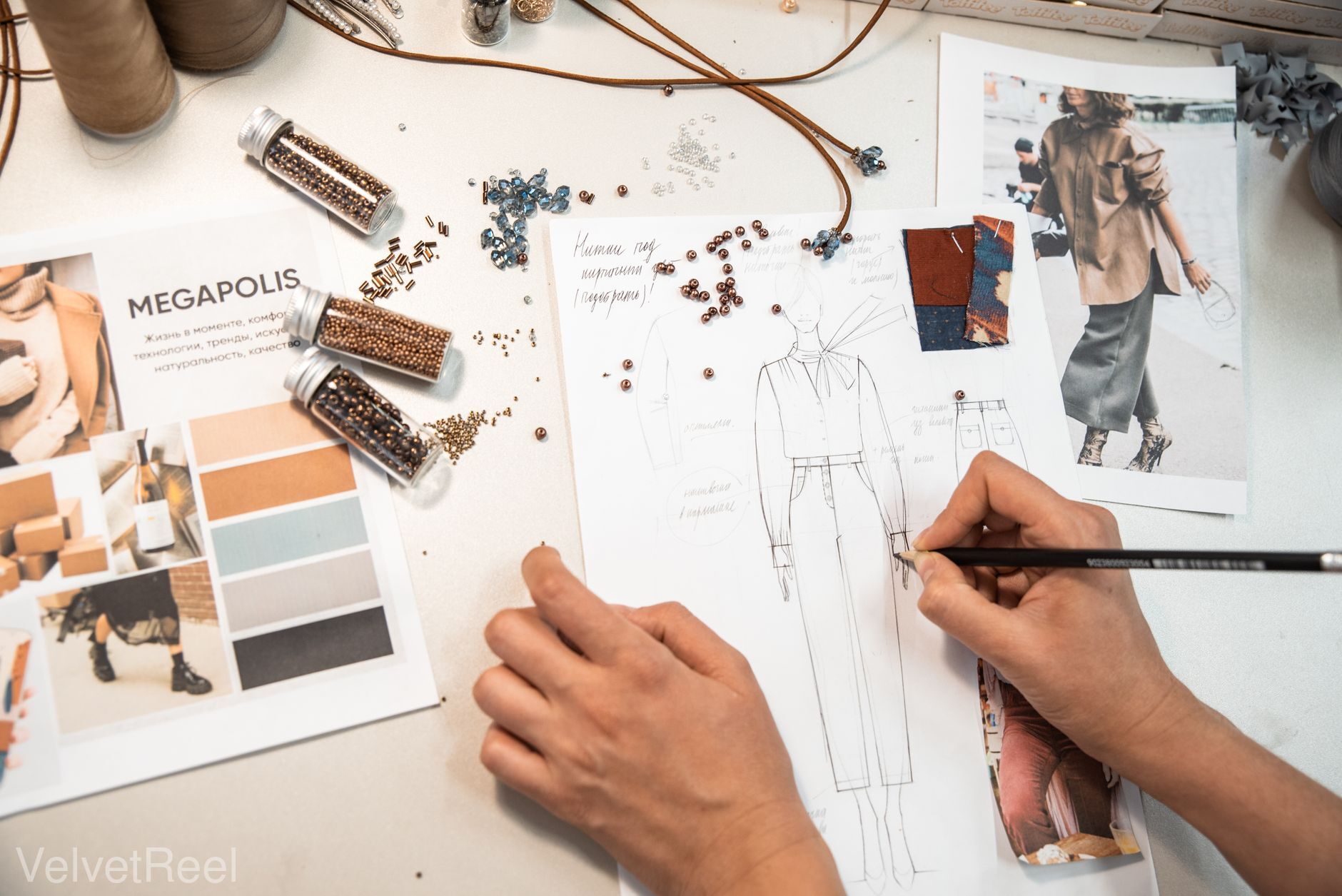
This initial stage is characterized by exploration, learning, and the development of foundational skills. Aspiring creatives are driven by an intense passion for their chosen art form, experimenting with different techniques and styles. For a filmmaker, this might mean experimenting with short films; for a musician, developing a unique sound; or for a fashion designer, mastering basic garment construction. The focus here is on discovering your artistic voice and building a fundamental understanding of your field, laying the groundwork for future professional endeavors.
The Emerging Professional: Gaining Momentum
As an aspiring creative gains confidence and skills, they transition into the emerging professional stage. This phase involves actively seeking out and securing initial professional opportunities, such as freelance gigs, collaborations, or entry-level positions. The goal is to gain practical experience, expand a growing portfolio, and actively build a professional network. Feedback from early projects is invaluable for refining skills and understanding industry expectations. At this point, increasing visibility becomes crucial for transforming passion into paid opportunities.
The Professional Creative: Establishing Your Presence
At this stage, creatives are consistently working in their chosen field, earning a significant portion of their income from their art. They have a refined portfolio, a growing client base, and a developing reputation. The emphasis shifts towards building sustainable client relationships, negotiating contracts effectively, and strategically developing their personal brand. This phase is about solidifying your professional identity and establishing a reliable presence within your industry, often moving beyond project-based work to more stable engagements.
The Established Expert: Sustaining Growth and Impact
The pinnacle of this creative career progression roadmap is the established expert. These professionals are recognized leaders in their field, often sought after for their unique expertise and vision. They might be running their own studios, leading teams, or influencing the direction of their industry. The focus here is on innovation, mentorship, diversifying income streams, and leaving a lasting impact. Maintaining this status involves continuous learning, adapting to evolving trends, and often giving back to the creative community through teaching or advocacy.
Building Your Foundation: Essential Steps for Early Career Growth
Regardless of your current stage, certain foundational elements are critical for sustained career growth. These steps empower you to showcase your abilities, connect with peers and opportunities, and clearly define your unique professional identity. Investing in these areas early on creates a robust platform for long-term success.
Cultivating a Standout Creative Portfolio
Your portfolio is your most powerful tool for showcasing your talent and attracting opportunities. It’s more than just a collection of your work; it’s a curated narrative of your skills, style, and potential. Focus on presenting your best, most relevant pieces that align with the type of work you want to attract. Ensure it’s easily accessible online and regularly updated. A strong creative portfolio tells a compelling story, highlighting your unique strengths and vision. For instance, a live entertainment producer might include event highlights, while a musician could showcase high-quality recordings and performance videos.
Mastering Networking and Community Engagement
Building genuine connections is paramount in the creative industries. Networking isn’t just about collecting business cards; it’s about forming meaningful relationships with peers, mentors, and potential collaborators. Attend industry events, join online communities, and seek out opportunities to collaborate on projects. Engaging actively in your community can open doors to unexpected opportunities and provide invaluable support and feedback. Effective networking means being generous with your knowledge and genuinely interested in others’ work. Consider local meetups in vibrant creative hubs like New Jersey, where artists often share resources and collaborate on live events.
Developing Your Personal Brand as a Creative
Your personal brand is the unique story you tell the world about who you are as an artist and professional. It encompasses your values, your aesthetic, and what makes your work distinct. A well-defined personal brand helps you stand out in a crowded field and attracts opportunities that truly align with your vision. Consistency across your online presence, from your website to social media, is key. Think about what message you want to convey and how your work reflects that. Understanding personal branding for artists can provide a clear framework for shaping this crucial aspect of your career.
Overcoming Obstacles and Sustaining Momentum
The creative journey is often marked by periods of immense progress and, at times, frustrating plateaus. Recognizing common obstacles and developing strategies to overcome them is crucial for maintaining motivation and ensuring long-term creative career progression. Staying adaptable and committed to growth will help you navigate these inevitable challenges.
Addressing Stagnation: When You Feel Stuck
It’s natural for creatives to feel stuck or stagnant at various points in their careers. This can manifest as a lack of inspiration, repetitive work, or a feeling that opportunities have dried up. When this happens, it’s an invitation to re-evaluate. Consider learning a new skill, collaborating with artists from a different discipline, or taking a short break to refresh your perspective. Engaging with a mentor or joining a peer group can also provide fresh insights and accountability, helping you break free from a rut and reignite your creative spark.
Balancing Artistic Integrity with Commercial Success
One of the most common dilemmas for creative professionals is how to pursue commercial viability without compromising artistic integrity. This isn’t an either/or situation. Many successful creatives find ways to align their artistic vision with market demands. This might involve taking on commercial projects that still allow for creative expression, diversifying your income streams beyond pure art sales, or carefully choosing collaborations that resonate with your values. The goal is to find a sustainable model where your craft can thrive both creatively and financially. For example, a musician might perform at local festivals for creative expression while also composing jingles for brands to ensure financial stability.

The Importance of Continuous Learning and Adaptation
The creative landscape is constantly evolving, driven by new technologies, changing trends, and emerging platforms. To sustain long-term career growth, continuous learning is not just an advantage—it’s a necessity. Stay curious, experiment with new tools, and keep an eye on industry developments. This might mean attending workshops, taking online courses, or simply dedicating time to research and experimentation. Adaptability ensures your skills remain relevant and opens up new avenues for your creative expression and professional opportunities.
Your Creative Career Progression Roadmap: Actionable Next Steps
Embarking on a journey of creative career progression means taking intentional steps, no matter where you are today. Start by honestly assessing your current stage, then identify one or two actionable goals from the advice above. Whether it’s refining your portfolio, expanding your network, or exploring new skills, consistent effort will propel you forward.
The VelvetReel is designed to support you at every stage, offering a platform to showcase your work, connect with opportunities, and grow within a vibrant artist community. Consider creating a profile to gain visibility and connect with collaborators and industry professionals. This can be a vital step in transforming your aspirations into a well-defined professional journey.
Related Reading
- career growth for creative professionals
- creative portfolio for artists
- networking for creative professionals
Source: Crafting Your Creative Narrative: Personal Branding for Artists — https://www.thevelvetreel.com/blog/personal-branding-for-artists
How do I move past feeling stuck in my creative career?
To overcome stagnation, consider diversifying your skills, seeking new challenges, engaging with mentors, and reflecting on your goals. Re-evaluating your approach and seeking fresh perspectives can help you identify new pathways for growth and rekindle your passion.
Can I maintain artistic integrity while pursuing commercial success?
Yes, balancing artistic integrity with commercial success involves strategic choices. Focus on projects that align with your values, diversify income streams, and communicate your artistic vision effectively to make informed decisions that support both your passion and livelihood.