
Finding Your Stage: Opportunities in Live Events and Creative Showcases
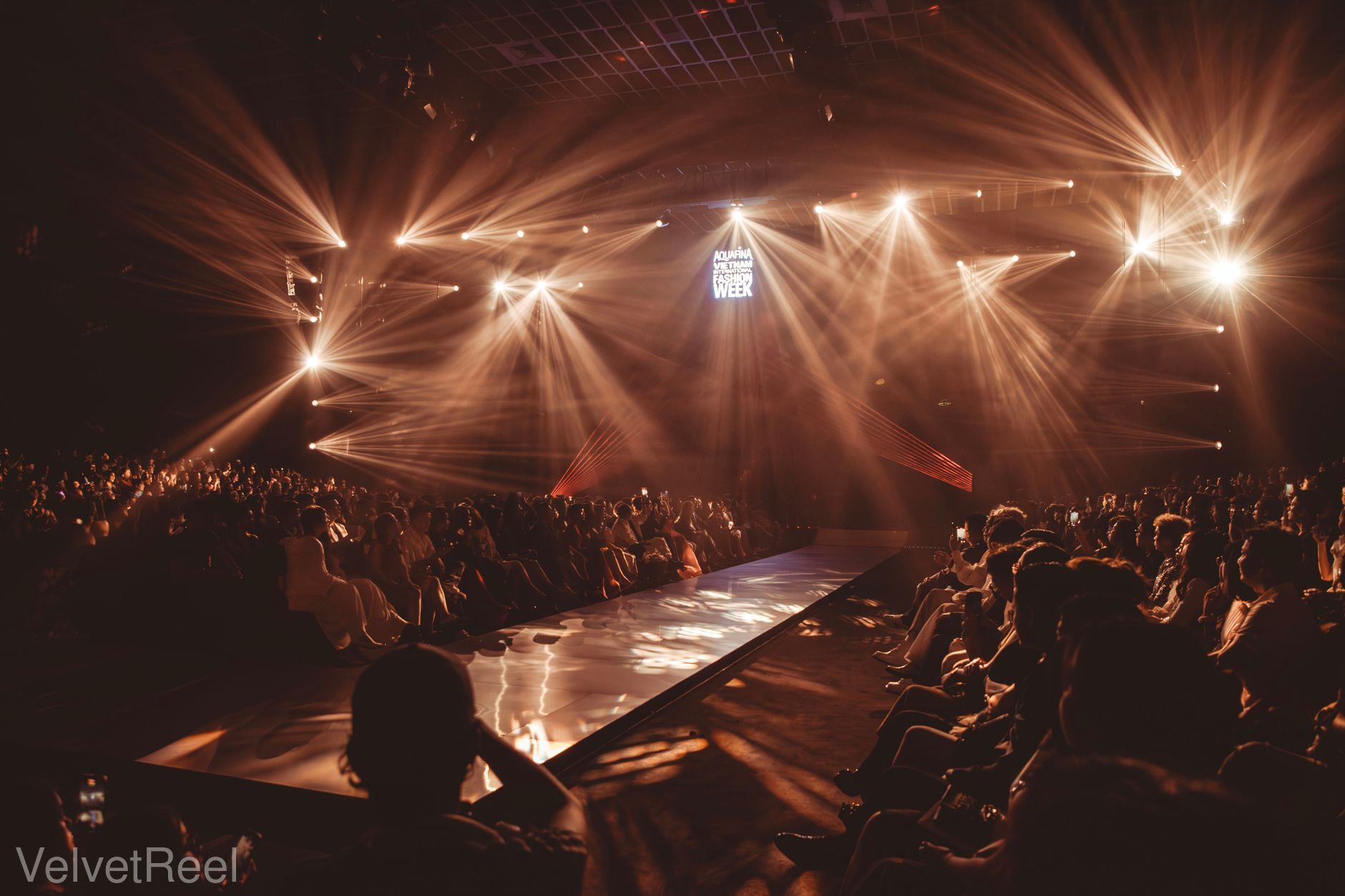
For emerging creative professionals, live event creative showcases offer an invaluable pathway to gain visibility, connect with peers, and unlock meaningful career opportunities. These dynamic platforms allow artists across fashion, film, music, and live entertainment to present their work directly to audiences, industry professionals, and potential collaborators. Engaging with live events can significantly accelerate your professional journey and open doors to new possibilities.
Why Live Event Creative Showcases Are Essential for Emerging Talent
Live events provide a unique, immersive experience that digital portfolios often can’t replicate. For artists, these showcases are more than just performances or exhibitions; they are active spaces for discovery, networking, and professional growth. They offer immediate feedback, foster genuine connections, and allow you to convey the full impact of your creative vision in real-time.
Many emerging creatives find it challenging to stand out in a crowded digital landscape. Live events cut through the noise, offering a direct conduit to decision-makers and a receptive audience. They validate your work, build your confidence, and provide tangible proof of your skills and dedication. This direct engagement is crucial for building a professional reputation and expanding your reach.
Your Guide to Finding the Right Creative Opportunities
Finding the right opportunities is the first step toward leveraging their full potential. It requires targeted research and an understanding of where your specific creative field thrives. Don’t feel overwhelmed; many resources are available to help you pinpoint the best fit for your talent.
Identifying Relevant Events for Your Creative Field
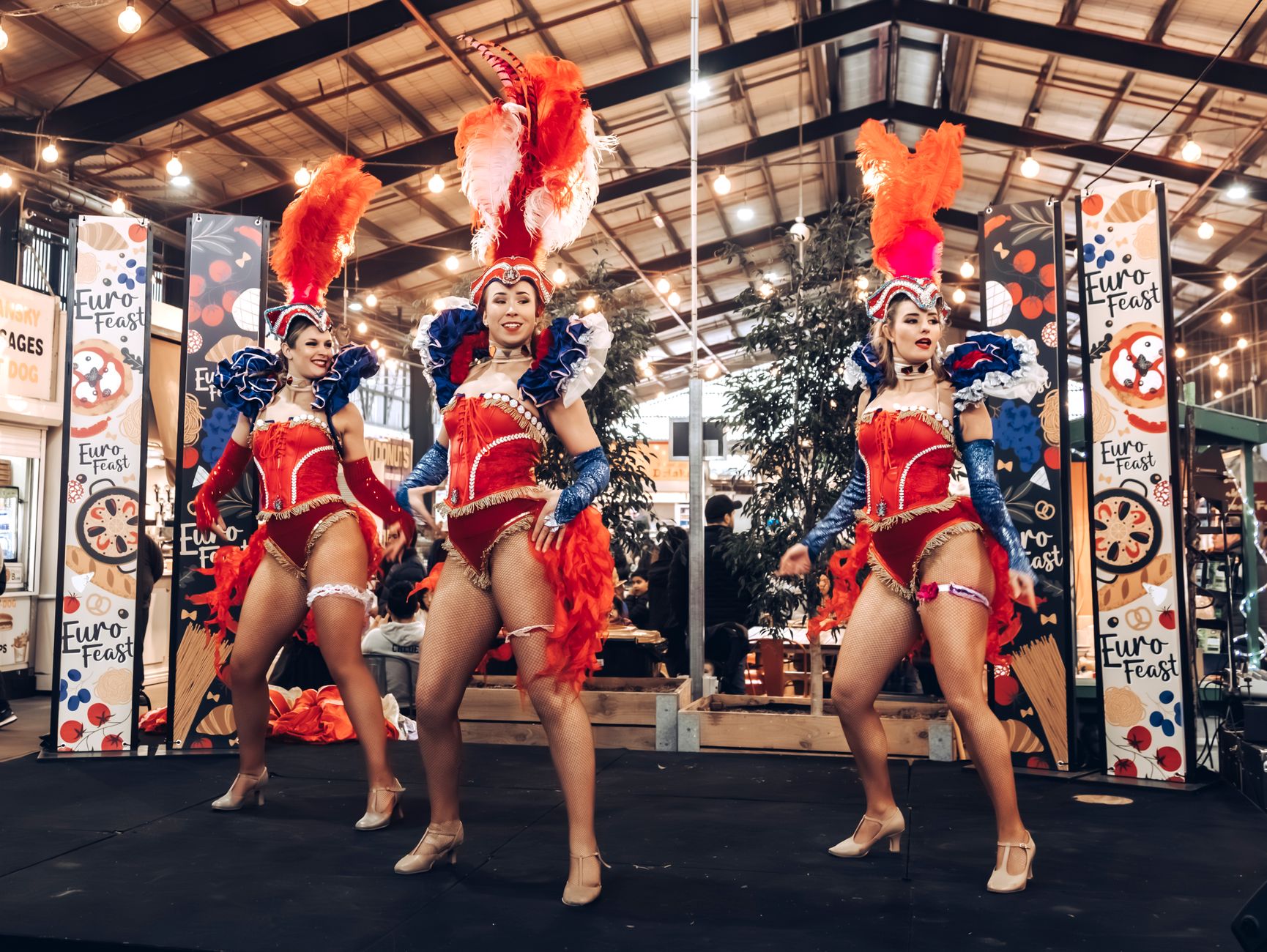
Tailoring your search to events that genuinely align with your artistic discipline is key. For musicians, this might mean open mic nights, local festivals, or industry showcases like SXSW or CMJ. Fashion designers might look to local fashion weeks, design expos, or pop-up shops. Film creatives can explore film festivals, short film showcases, or industry pitching events. Visual artists often find opportunities in gallery openings, art fairs, or community exhibitions.
Consider the scale and reputation of the event. While major festivals offer broad exposure, smaller, local showcases can provide more intimate networking opportunities and a chance to hone your presentation skills. Each event type serves a different purpose in your career trajectory.
Leveraging Online Resources and Local Networks
The digital world, while competitive, is also a powerful tool for discovering live events. Online platforms dedicated to creative job search and networking are excellent starting points. Many industry-specific websites, forums, and social media groups focused on local arts and culture are rich sources of information for artists, performers, and designers.
Don’t underestimate the power of your local community. Arts councils, cultural centers, and university art departments often host or publicize events. Networking with other creatives, mentors, and local organizers can reveal opportunities not widely advertised. Attend events as an audience member first to scout for potential fit and make connections. The VelvetReel platform, for instance, aims to connect artists with relevant opportunities and foster a supportive community.
Preparing for Your Spotlight: Showcase Readiness Checklist
Once you’ve identified potential showcases, thorough preparation is paramount. This goes beyond perfecting your craft; it involves strategic planning to maximize your impact and secure future opportunities. Focusing on multiple facets of readiness is key to a successful presentation.
Crafting an Irresistible Creative Portfolio
Your portfolio is your visual resume, and it must shine. For live events, ensure your portfolio is not only up-to-date but also specifically curated for the type of opportunity you’re pursuing. Include high-quality images, videos, or audio samples that represent your best work. If you’re a musician, have professional recordings. If you’re a designer, showcase high-resolution photographs of your designs or garments. Visual artists need clear, well-lit shots of their pieces.
Consider creating a concise, physical version of your portfolio if the event calls for it, alongside a digital one. Ensure it tells a compelling story about your creative journey and highlights your unique style.
Mastering Your Presentation and Pitch
Whether you’re performing, exhibiting, or simply networking, how you present yourself and your work is critical. Rehearse your performance or presentation until it feels natural and confident. If you need to pitch your work, practice articulating your vision clearly and concisely. Be prepared to answer questions about your process, inspiration, and future goals.
For musicians, this means tight sets and engaging stage presence. For filmmakers, it’s about a compelling synopsis and a polished trailer. Fashion designers should be ready to discuss their materials, techniques, and brand story. Mastering auditions, pitches, and interviews for creative roles is a skill that will serve you well in any showcase setting. Source: The VelvetReel, “Mastering Auditions, Pitches, and Interviews for Creative Roles,” https://www.thevelvetreel.com/blog/creative-audition-pitch-tips
Logistics and Professional Presence
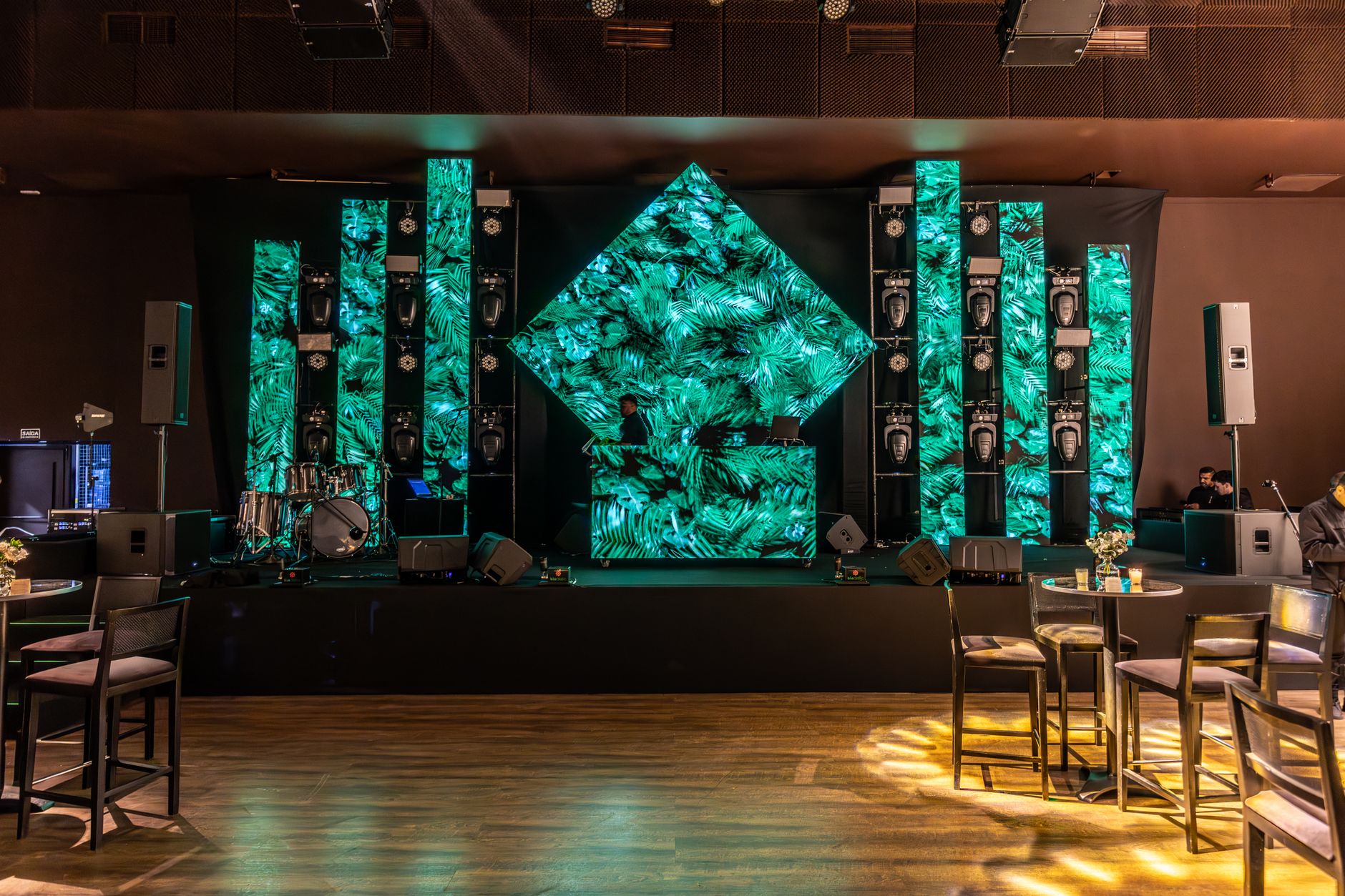
Beyond the creative aspect, practical logistics are crucial. Confirm all technical requirements, such as sound equipment, lighting, display space, or projection needs, well in advance. Arrive early to set up and troubleshoot. Ensure your attire is professional and appropriate for the event.
Your professional presence extends to how you interact with organizers, staff, and other artists. Be polite, respectful, and organized. Having professional business cards or a QR code linking to your digital portfolio readily available can make a lasting impression. Remember, every interaction is an opportunity to showcase your professionalism and build your network.
Making Connections and Maximizing Your Showcase Experience
Showcases are not just about performing or exhibiting; they are prime environments for connection. Many emerging artists struggle with how to effectively network or engage with industry professionals. Approaching these interactions strategically can transform a single event into a catalyst for ongoing professional relationships.
Engaging with Your Audience and Peers
Your audience is your immediate support system and potential fan base. Be approachable and open to conversations after your performance or during your exhibition. Ask for feedback, share your story, and express gratitude for their presence. Building a rapport with your audience can lead to word-of-mouth referrals and a loyal following.
Connecting with fellow artists is equally important. They understand your journey, can offer support, and may become future collaborators. Exchange contact information, discuss your work, and explore potential synergies. These peer relationships form the backbone of a strong artist community.
Strategic Networking with Industry Professionals
Industry professionals—curators, agents, producers, brand representatives—are often present at showcases specifically to discover new talent. Identify key individuals beforehand if possible, and approach them respectfully. Have a brief, engaging elevator pitch ready that summarizes who you are and what you do. Listen more than you speak, and show genuine interest in their work and insights.
Avoid simply handing out your card and walking away. Aim for meaningful conversations that could lead to a follow-up. Remember, building your creative network is an ongoing process that requires consistent effort and genuine engagement.
The Art of the Follow-Up
The real work of networking often begins after the event. Within 24-48 hours, send personalized follow-up messages to everyone you connected with. Reference a specific detail from your conversation to make it memorable. Thank them for their time and reiterate your interest in potential collaborations or opportunities.
For industry professionals, a polite follow-up can keep you top-of-mind. For peers, it solidifies a new connection. A consistent and thoughtful follow-up strategy demonstrates professionalism and genuine interest, setting you apart from others.
Sustaining Momentum: From Showcase to Sustainable Creative Growth
A successful showcase is not an endpoint but a launchpad. The goal is to translate the energy and connections from these events into sustained professional growth. This involves reflection, consistent effort, and a long-term vision for your creative career. The true value of these events lies in how effectively you leverage the momentum they provide.
Documenting and Sharing Your Showcase Success
Always document your participation in live events. Capture high-quality photos and videos of your performance or exhibition. These assets are invaluable for updating your portfolio, promoting your work on social media, and securing future opportunities. Share your experience with your network, thanking organizers, collaborators, and audience members.
This documentation serves as tangible proof of your engagement and professionalism. It reinforces your brand and provides content for your website, press kit, and social media channels. It’s a powerful way to extend the reach of your live event experience far beyond the physical space.
Reflecting and Refining for Future Opportunities
After each showcase, take time to reflect on what went well and what could be improved. Did your presentation resonate with the audience? Were there particular questions or feedback that stood out? How effective was your networking approach? This self-assessment is critical for continuous professional development.
Use these insights to refine your craft, improve your presentation skills, and adjust your strategy for future events. Every experience, whether perceived as a huge success or a learning opportunity, contributes to your professional development.
Integrating Showcases into Your Long-Term Career Plan
Live events should be an integral part of your overarching career strategy. View them as consistent steps in your journey to unlock creative opportunities and build a thriving career. Regularly seek out new showcases, varying types and scales to broaden your experience and reach.
The VelvetReel is designed to support creatives in this journey, offering a platform to build visibility, connect with opportunities, and grow through community, networking, and exposure. By consistently engaging with live event creative showcases, you not only gain exposure but also build a resilient and connected professional life, ensuring your creative work finds its rightful stage.
Related Reading
- unlocking creative opportunities guide
- best online platforms creative jobs
- effective networking creative careers
How do I find reputable live events or showcases for my specific creative field?
Research industry-specific platforms, local arts councils, and event listings. Networking with peers and mentors, and exploring platforms like The VelvetReel, can help you discover relevant opportunities.
What’s the best way to prepare for a creative showcase or live performance?
Preparation involves perfecting your craft, curating a strong portfolio, rehearsing your presentation, and understanding event requirements. Focus on clear communication, professionalism, and readiness to engage your audience and potential collaborators.
Are live events truly worth the significant time and effort for career advancement?
Yes, for many creatives, live events offer direct audience engagement, immediate feedback, and unparalleled networking that digital platforms can’t fully replicate. The visibility and connections gained can be pivotal for career progression.
How can visual artists or writers leverage live event creative showcases if their work isn’t ‘performance-based’?
Visual artists can participate in gallery openings, art fairs, and pop-up exhibitions; writers can engage in literary readings or panel discussions. The key is finding events that align with your medium for direct audience and industry interaction.