
Unlocking Creative Opportunities Guide. for emerging creative professionals in fashion, film, and music, navigating the path to professional growth can feel like a complex journey. This comprehensive unlocking creative opportunities guide is designed to empower you with practical strategies, insights, and resources to identify, pursue, and secure meaningful next steps in your creative career.
Defining Your Creative Path and Vision
Understanding your unique artistic voice and career aspirations is the foundation for unlocking creative opportunities. Are you a filmmaker passionate about documentary storytelling, a fashion designer focused on sustainable practices, or a musician aiming for live performance? Clearly articulating your vision will not only guide your efforts but also help you attract the right collaborators and projects. Consider what truly excites you, where your strengths lie, and what kind of professional environment you thrive in. This clarity acts as a powerful filter, allowing you to focus on opportunities that genuinely align with your goals and values, rather than chasing every available path.
Understanding the Creative Landscape: Industries and Opportunities for Unlocking Creative Opportunities Guide
To delve deeper into specific industry approaches,: [Tailoring Your Search: Creative Opportunities for Fashion, Film, and Music Professionals](/creative-opportunities-by-industry).
The creative industries are vast and dynamic, each offering a unique ecosystem of roles and pathways. Gaining a clear understanding of these landscapes is crucial for identifying where your talents can best flourish. This section explores specific opportunities within fashion, film, music, and live entertainment.
Fashion Industry: Roles and Entry Points
The fashion industry is a vibrant world encompassing design, production, marketing, and retail. Beyond the runway, opportunities abound for stylists, photographers, illustrators, pattern makers, textile designers, and fashion journalists. Emerging designers can find entry points through competitions, fashion incubators, or by starting their own small-batch collections. Stylists often begin by assisting established professionals or building portfolios through editorial shoots and collaborations. For those interested in the business side, roles in brand management, merchandising, and public relations are vital. Understanding the seasonal cycles and key fashion weeks (like New York Fashion Week) can also provide strategic timing for showcasing work and networking.
Film and Television: Behind and In Front of the Camera
The film and television industry offers a diverse range of opportunities, both visible and behind-the-scenes. For those in front of the camera, roles include actors, models, and voice-over artists. Behind the camera, opportunities span directing, cinematography, screenwriting, editing, sound design, production design, visual effects, and costume design. Entry-level positions often include production assistants, interns, or assistant roles in various departments. Short film festivals, independent productions, and student films are excellent avenues for gaining experience and making initial connections. Collaborating on passion projects can also build a robust reel or portfolio, demonstrating your capabilities to potential employers or collaborators.
Music Industry: Performance, Production, and Beyond
The music industry is multifaceted, offering paths for performers, producers, songwriters, audio engineers, music educators, and industry professionals in management, A&R, and marketing. Musicians can seek opportunities through live gigs, studio sessions, online streaming platforms, and music festivals. Producers and audio engineers often start by working in smaller studios, building their portfolios, or offering services to independent artists. Songwriters can collaborate with other artists, pitch to publishing companies, or license their music for film and TV. Building a strong online presence and engaging with fan communities are increasingly important for all music professionals seeking to expand their reach and find creative opportunities.
Live Entertainment: Events, Stages, and Experiences
Live entertainment encompasses everything from concerts and theater productions to corporate events and festivals. Opportunities exist for performers (musicians, dancers, actors), technical crew (sound engineers, lighting designers, stage managers), event planners, set designers, costume creators, and production assistants. Many start by volunteering at local venues, assisting with community theater, or working for event production companies. These experiences provide hands-on learning and invaluable networking opportunities. The energy of live events often fosters a close-knit community, making it an excellent space for creative professionals to find their tribe and build a reputation for reliability and skill.
Identifying Emerging Trends and Niche Markets
Staying current with industry trends and identifying niche markets can provide a significant advantage in finding creative opportunities. For example, in fashion, sustainable design and digital fashion are rapidly growing areas. In film, virtual production and interactive storytelling are evolving. Music sees constant shifts in genre popularity and distribution methods, while live entertainment explores innovative immersive experiences. By focusing on these emerging areas, you can position yourself as a forward-thinking professional, offering specialized skills that are in high demand. Researching industry reports, attending webinars, and following thought leaders can help you spot these trends early.
Crafting Your Professional Presence: Portfolio and Personal Brand
In the competitive creative landscape, your professional presence is your most powerful asset. It’s how you introduce yourself, showcase your abilities, and communicate your unique value. A strong portfolio and a well-defined personal brand are non-negotiable for any aspiring creative professional.
Building an Irresistible Creative Portfolio: Your Gateway to Opportunities
Your creative portfolio is arguably the most critical tool for demonstrating your skills and vision. It’s a curated collection of your best work, tailored to the opportunities you seek. An irresistible portfolio isn’t just a dump of all your projects; it’s a strategically assembled narrative that highlights your strengths, showcases your versatility, and tells a compelling story about who you are as an artist. For example, a fashion designer’s portfolio might include sketches, mood boards, garment constructions, and photography of finished pieces, while a filmmaker’s would feature a concise reel of their best scenes, demonstrating directing, editing, or cinematography skills.
When building your portfolio, focus on quality over quantity. Include only your strongest, most relevant pieces. Ensure it’s easily navigable, visually appealing, and reflects your unique aesthetic. Regularly updating your portfolio with new, impactful work ensures it remains fresh and relevant to your evolving career goals. For detailed guidance on curating an effective showcase, consider resources like “Building an Irresistible Creative Portfolio: Your Gateway to Opportunities” on The VelvetReel blog, which offers practical steps for artists Building an Irresistible Creative Portfolio: Your Gateway to Opportunities.
Crafting Your Creative Narrative: Personal Branding for Artists
Beyond your portfolio, your personal brand is the essence of who you are as a creative professional. It’s how you communicate your unique value, personality, and expertise to the world. A strong personal brand helps you stand out, makes you memorable, and builds trust with potential collaborators, clients, and audiences. This narrative encompasses your artistic philosophy, your unique style, and the message you wish to convey through your work. It’s about more than just a logo or a color palette; it’s about consistency in your voice, your values, and the quality of your output.
Developing your personal brand involves understanding your core identity, defining your target audience, and consistently presenting yourself in a way that resonates with them. This includes your online presence, how you interact with others, and the stories you tell about your creative journey. For a deeper dive into establishing your unique identity, explore “Crafting Your Creative Narrative: Personal Branding for Artists” which provides actionable advice on developing an authentic and impactful brand Crafting Your Creative Narrative: Personal Branding for Artists.
Online Presence: Websites, Social Media, and Digital Showcases
In today’s digital age, a robust online presence is non-negotiable for creative professionals. A professional website serves as your central hub, hosting your portfolio, artist statement, and contact information. It provides a controlled environment where you can present your work exactly as you intend. Social media platforms, chosen strategically, extend your reach and allow for direct engagement with your audience and industry peers. Instagram and TikTok are powerful for visual artists and performers, while LinkedIn can be crucial for networking with industry professionals.
Digital showcases and talent platforms also play a vital role. These platforms offer specialized environments designed for creative discovery, allowing you to present your work to a targeted audience of potential employers, collaborators, and fans. Ensure your online profiles are consistent, professional, and regularly updated. This consistent digital footprint reinforces your personal brand and makes it easier for others to find and connect with your work, significantly increasing your chances of finding creative opportunities.
Building Meaningful Connections: Strategic Networking for Creatives
Networking is often perceived as a daunting task, but for creatives, it’s a fundamental aspect of professional growth. It’s about building genuine relationships, sharing ideas, and creating a supportive community that can lead to unforeseen opportunities.
Networking Strategies for Creatives: Building Your Professional Community
To further enhance your networking skills, explore: [Building Your Creative Network](/effective-networking-creative-careers).
Strategic networking is about cultivating authentic relationships, not just collecting business cards. For creatives, this means connecting with peers, mentors, and industry leaders who share your passions or can offer valuable insights. Attending workshops, industry events, and local meetups provides natural environments for these interactions. The goal isn’t to ask for something immediately, but to build rapport, offer value, and explore potential collaborations. Sharing your artistic journey and listening to others’ experiences can forge strong, lasting connections.
Remember, networking is a two-way street. Be prepared to offer support, share knowledge, and celebrate the successes of others. These reciprocal relationships are the bedrock of a thriving creative community. For comprehensive guidance on how to approach networking effectively, refer to “Networking Strategies for Creatives: Building Your Professional Community” which offers practical tips for building your professional circle Networking Strategies for Creatives: Building Your Professional Community.
Virtual vs. In-Person Networking: Maximizing Both
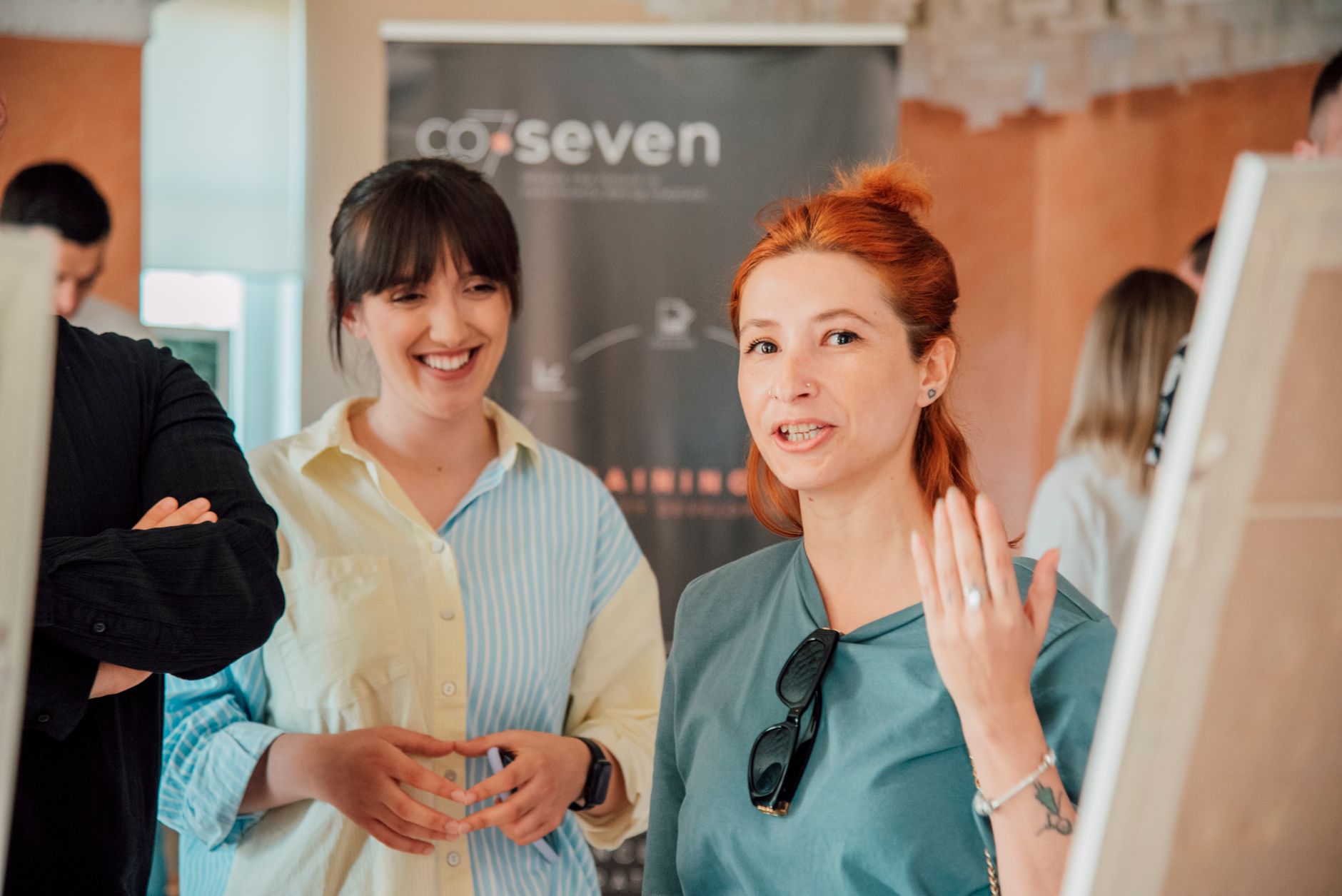
The landscape of networking has evolved, offering both virtual and in-person avenues. In-person events, such as industry conferences, art fairs, film festivals, and music showcases, provide direct interaction and the chance to make a strong personal impression. These events allow for spontaneous conversations and a deeper sense of connection. However, virtual networking has become equally powerful, offering accessibility and global reach. Online forums, professional groups on social media platforms, and virtual events allow you to connect with a broader range of individuals, transcending geographical limitations.
To maximize your networking efforts, integrate both approaches. Attend local events to build your immediate community, and leverage online platforms to expand your network globally. Participate actively in online discussions, offer helpful advice, and engage authentically. Remember that the goal in both settings is to build genuine connections that can lead to collaborative projects, mentorship, or future job prospects. This dual approach ensures you cast a wide net while also nurturing close relationships.
Collaborating for Growth: Finding Your Creative Partners
Discover more about the impact of working together: [The Power of Collaboration](/creative-collaboration-opportunities).
Collaboration is a powerful catalyst for creative growth and an excellent way to find creative opportunities. Working with other artists, designers, musicians, or filmmakers can expand your skill set, introduce you to new perspectives, and multiply your creative output. Collaborative projects can also lead to shared exposure, as each partner brings their audience and network to the table. Seek out individuals whose work you admire, whose skills complement yours, and whose values align with your own.
Start small with passion projects or joint ventures to test the waters. These experiences can build trust and demonstrate your ability to work effectively within a team. Collaborations often lead to unexpected opportunities, as shared successes can open doors to larger projects and new professional connections. Platforms designed for creative talent can be excellent places to find potential collaborators, providing a space to connect with other professionals seeking partnership.
Pathways to Visibility and Discovery: Getting Noticed in the Creative World
Talent alone is often not enough; visibility is key to unlocking creative opportunities. Actively working to get noticed by the right people and organizations is paramount for emerging artists. This section explores various avenues for increasing your visibility and being discovered.
How Creative Professionals Get Discovered: Unlocking New Opportunities
Discovery in the creative world rarely happens by accident; it’s often the result of strategic visibility and consistent effort. Creative professionals get discovered when their work is seen by those who can offer opportunities—be it a casting director, a brand manager, an art curator, or a music producer. This involves not only showcasing your best work but also actively placing it where decision-makers are looking. Factors like a well-maintained online presence, participation in relevant industry events, and a strong network all contribute to increasing your chances of being noticed.
The process of discovery is often cumulative; small exposures build into larger ones. It requires patience and persistence, but most importantly, it requires being prepared when an opportunity arises. This means having your portfolio ready, your personal brand clear, and your elevator pitch polished. For more in-depth strategies, explore “How Creative Professionals Get Discovered: Unlocking New Opportunities,” which offers detailed guidance on enhancing your professional visibility How Creative Professionals Get Discovered: Unlocking New Opportunities.
Leveraging Creative Talent Platforms Like The VelvetReel
For a comprehensive guide to leveraging various online platforms, consider: [Leveraging Online Platforms for Creative Talent Discovery and Job Search](/best-online-platforms-creative-jobs).
Dedicated creative talent platforms are invaluable resources for artists seeking greater visibility and direct access to opportunities. The VelvetReel, for instance, is designed to help artists build visibility, showcase their work, and connect with opportunities across fashion, film, music, and live events. These platforms act as curated marketplaces, allowing you to present your professional profile and portfolio to a targeted audience of collaborators, brands, production teams, and industry professionals actively seeking creative talent.
By creating a comprehensive profile on such platforms, you position yourself to be discovered by those specifically looking for your skills. The VelvetReel’s artist-first approach ensures that your work is front and center, providing a streamlined way to get noticed and take meaningful next steps in your professional journey. Consider registering your talent to start showcasing your unique abilities and connect with a vibrant community of peers and industry professionals. You can explore creating your own talent profile and join our growing community by visiting our talent registration page.
Participating in Showcases, Festivals, and Competitions
For a comprehensive guide to opportunities in live events and creative showcases,: [Finding Your Stage: Opportunities in Live Events and Creative Showcases](/live-event-creative-showcases).
Participating in showcases, festivals, and competitions is an excellent way to gain exposure and validate your creative work. Film festivals provide a platform for filmmakers to premiere their work and network with distributors and producers. Music showcases allow artists to perform for industry scouts and potential fans. Art exhibitions and fashion shows offer designers and visual artists the chance to display their creations to curators, buyers, and the public. Competitions, while challenging, can offer prize money, mentorship, and significant recognition that boosts your profile.
Beyond the potential for awards or direct opportunities, these events offer invaluable feedback, networking opportunities, and a chance to observe current industry standards. Research events relevant to your niche, understand their submission requirements, and prepare your best work for entry. Even if you don’t win, the experience of participation and the connections made can be immensely beneficial for your career trajectory.
Effective Outreach: Approaching Brands, Agencies, and Production Teams
Proactive outreach is a powerful strategy for unlocking creative opportunities. This involves identifying brands, agencies, or production teams whose work aligns with your own and making a direct, professional approach. Before reaching out, thoroughly research their past projects and current needs to ensure your offer is relevant and compelling. Tailor your communication, highlighting how your unique skills and vision can add value to their specific projects.
For detailed guidance on how to excel in these crucial moments, consider: [Mastering Auditions, Pitches, and Interviews for Creative Roles](/creative-audition-pitch-tips).
Your outreach should include a brief, impactful introduction, a link to your curated portfolio, and a clear call to action, such as suggesting a short meeting or a collaborative idea. Avoid generic templates; personalization is key. Be persistent but respectful, understanding that responses may not be immediate. Building a relationship through thoughtful, consistent engagement can eventually lead to significant collaborations and long-term professional connections.
Navigating Your Creative Journey: A Roadmap for Progression
The creative journey is rarely a straight line; it involves continuous learning, adaptation, and resilience. Having a roadmap for progression helps you stay focused, overcome challenges, and consistently move towards your goals.
From Aspiring to Established: A Roadmap for Creative Career Progression
Transitioning from an aspiring creative to an established professional requires intentional planning and continuous effort. It’s a journey marked by skill development, strategic networking, consistent self-promotion, and an adaptive mindset. This progression isn’t about achieving a single milestone but about building a sustainable career through a series of meaningful steps. This involves setting short-term and long-term goals, regularly assessing your progress, and being open to evolving your path as you gain experience.
A clear roadmap helps you prioritize actions, whether it’s learning a new software, seeking a mentor, or pitching a project. It encourages you to view challenges as learning opportunities and to celebrate small victories along the way. For a detailed framework to guide your professional development, refer to “From Aspiring to Established: A Roadmap for Creative Career Progression” which outlines essential steps for sustained growth From Aspiring to Established: A Roadmap for Creative Career Progression.

Learning and Development: Workshops, Mentorship, and Skill-Building
The creative industries are constantly evolving, making continuous learning and skill development essential. Invest in workshops, online courses, and specialized training to refine your craft and acquire new proficiencies. For a filmmaker, this might mean mastering new editing software; for a musician, learning a new instrument or production technique; for a fashion designer, exploring sustainable materials. Beyond formal education, seeking out mentors who can offer guidance, share experiences, and provide constructive feedback is invaluable. Mentorship can accelerate your learning curve and help you navigate industry nuances.
Actively seek opportunities to expand your knowledge base and technical skills. This commitment to lifelong learning not only keeps your work fresh and relevant but also demonstrates your dedication to your craft, making you a more attractive candidate for new opportunities. Many creative career resources and articles are available on our blog to support your ongoing development.
Financial Planning and Business Acumen for Artists
While creativity is at the heart of your work, understanding the business side of being an artist is crucial for professional longevity. This includes developing basic financial literacy, such as budgeting, managing income and expenses, and understanding taxes. For freelancers, this also means learning how to price your services, draft contracts, and manage client relationships effectively. Developing business acumen helps you transform your passion into a sustainable career.
It’s important to view yourself not just as an artist but as a small business owner. Learning about marketing, intellectual property, and negotiation skills will empower you to advocate for your worth and protect your creative assets. Many resources are available specifically for artists to help build these essential skills, ensuring your creative endeavors are not only fulfilling but also financially viable.
Overcoming Challenges and Building Resilience
The creative path is often filled with challenges, from rejection and financial instability to creative blocks and self-doubt. Building resilience is key to navigating these hurdles and maintaining your passion. Resilience involves developing a growth mindset, learning from setbacks, and seeking support when needed. It means understanding that rejection is often part of the process and not a reflection of your worth or talent.
Cultivate a strong support system of fellow creatives, mentors, and friends. Engage in practices that support your mental well-being, such as mindfulness, exercise, or hobbies outside your primary creative pursuit. Remember that every established artist has faced their share of difficulties. Your ability to persevere through tough times, adapt to change, and continue to create is a testament to your strength and dedication, ultimately contributing to your success in unlocking creative opportunities.
The VelvetReel: Your Partner in Creative Growth
The VelvetReel understands the unique journey of emerging creative professionals. We are committed to being a supportive platform that helps artists build visibility, showcase their work, connect with opportunities, and grow through community, networking, and exposure across fashion, film, music, and live events.
How The VelvetReel Supports Your Creative Journey
The VelvetReel is designed with the artist in mind, offering a unique blend of talent discovery and opportunity-led growth. We provide a curated space where you can present your portfolio to a targeted audience of industry professionals, brands, and collaborators. Our platform is artist-first, focusing on helping you take meaningful next steps in your professional journey. We believe in empowering creatives by offering direct pathways to showcase your work and connect with relevant projects, rather than just waiting for opportunities to come to you. Our commitment is to foster your professional development by making discovery and connection more accessible.
Connecting with a Vibrant Community
Beyond individual opportunities, The VelvetReel fosters a vibrant and inclusive community of creative professionals. We believe that connection and collaboration are powerful drivers of growth. By joining our platform, you become part of a network where you can find collaborators, share insights, seek mentorship, and celebrate collective successes. This community aspect is vital for emerging artists who often benefit from peer support and shared experiences. We encourage active engagement, providing a welcoming environment for artists to build relationships and expand their professional circles. Become part of a dynamic network by exploring our membership options.
Discovering Curated Opportunities and Events
The VelvetReel goes beyond simply hosting portfolios; we actively connect artists with curated opportunities. Our platform features a range of relevant projects, casting calls, brand collaborations, and live event participation options tailored to our community’s diverse talents. We focus on providing access to verified opportunities, ensuring that the connections you make are meaningful and aligned with your professional aspirations. From local showcases in New Jersey, USA, to broader industry events, we aim to be a bridge between creative talent and the opportunities that can propel their careers forward. We are dedicated to helping you find creative opportunities that resonate with your vision and talent.
What is the first step to unlocking creative opportunities?
Define your creative path and vision. Understanding your skills, passions, and aspirations allows you to focus efforts, tailor your portfolio, and network effectively, leading to the most relevant opportunities.
How important is networking for creative professionals?
Networking is vital for creative professionals, fostering genuine, mutually beneficial relationships. These connections lead to collaborations, mentorship, referrals, and often, direct access to unadvertised opportunities, making it a cornerstone of career growth.
Can platforms like The VelvetReel really help me find creative opportunities?
Yes, platforms like The VelvetReel are designed to help creatives find opportunities. They offer dedicated spaces for showcasing work, connecting with industry professionals, and discovering curated roles, events, and collaborations, enhancing visibility for emerging talent.
How often should I update my creative portfolio?
Update your creative portfolio regularly, ideally after significant projects or skill development. Review it quarterly to ensure it always showcases your best, most current work, aligning with desired opportunities and demonstrating ongoing growth.
What are common mistakes to avoid when seeking creative work?
Common mistakes include having an unpolished or outdated portfolio, neglecting your online presence, failing to network strategically, not tailoring applications to specific roles, and underestimating the importance of personal branding. Avoiding these pitfalls can significantly improve your chances of securing creative work.