
To stand out and attract meaningful opportunities in the vibrant creative world, personal branding for artists is essential. It’s about intentionally shaping how others perceive you and your work, ensuring your unique voice resonates with your target audience and collaborators. This strategic self-presentation helps you define your artistic identity, communicate your value, and ultimately foster sustainable career growth.
Understanding Personal Branding for Artists: Beyond the Art
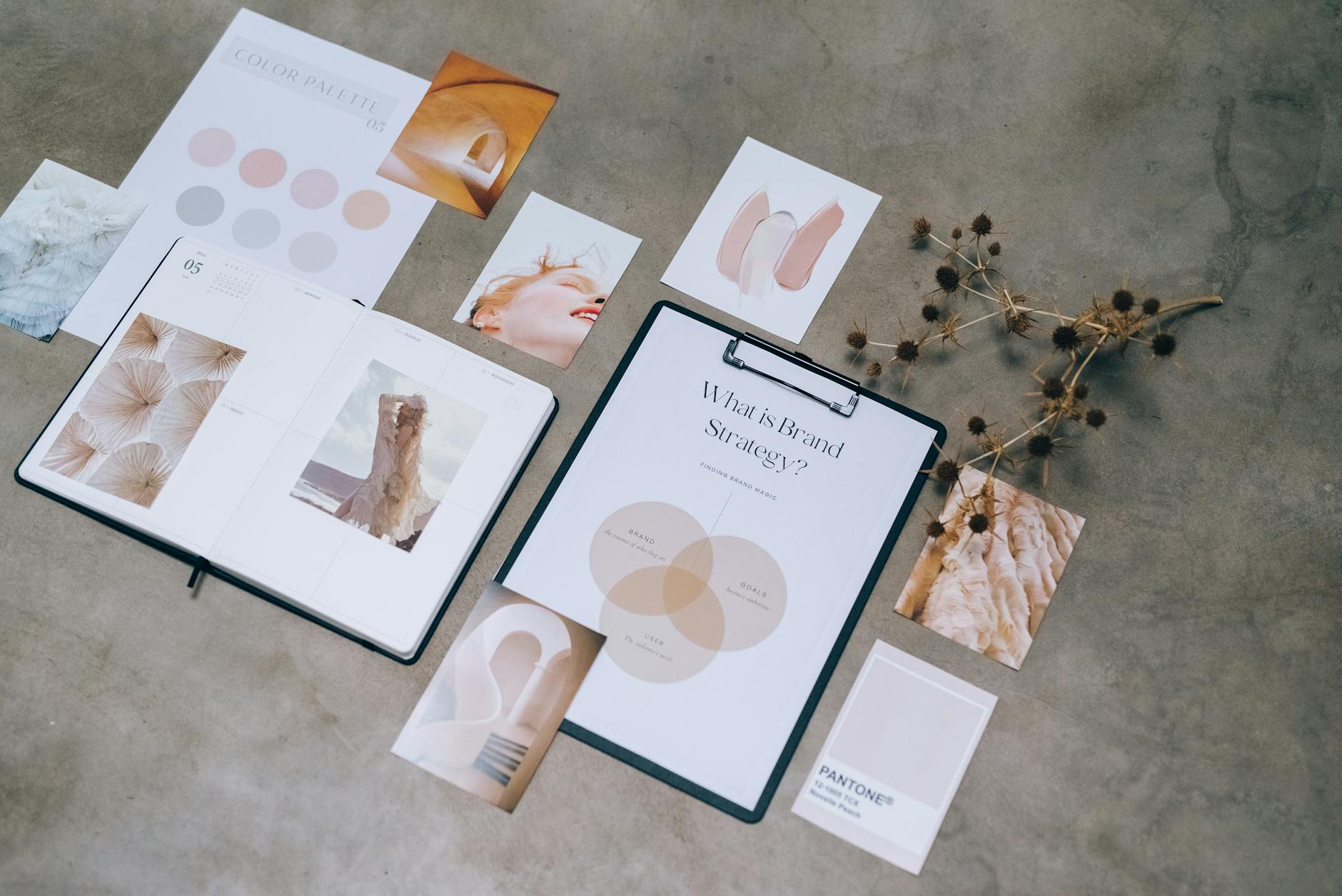
More than just a logo or a catchy slogan, a strong personal brand is the sum of all impressions you make, both online and offline. It articulates your unique artistic perspective, your values, and what makes your creative contribution distinctive. For emerging and aspiring creative professionals, this well-defined brand acts as a compass, guiding decisions and connecting you with the right people and opportunities. It ensures that when someone encounters your work, they also understand the vision and passion behind it.
What Personal Branding Isn’t: Dispelling Common Myths
Many artists hesitate to embrace personal branding, often due to misconceptions. It’s not about being inauthentic or “selling out” to commercial pressures. It’s also not reserved for “influencers” or pop stars; every artist, regardless of their medium, benefits from clarity and intentionality in their professional identity. Personal branding doesn’t limit your creative freedom; instead, it provides a framework to present your art and yourself in a way that respects your integrity while also opening doors. It’s about amplifying your true self, not fabricating a persona.
Defining Your Unique Artistic Core: The Foundation of Your Brand

Before you can present your brand to the world, you must first understand it yourself. This foundational step involves deep introspection into what drives your art, what messages you convey, and what unique experiences shape your creative output. This clarity becomes the bedrock upon which all your branding efforts are built, ensuring authenticity and resonance.
Discovering Your Signature Style and Vision
Your signature style is the recognizable thread that runs through your work, whether it’s a distinct visual aesthetic, a particular narrative voice, or a unique approach to performance. Your artistic vision, on the other hand, is the overarching purpose or message you aim to communicate. For a musician, this might be a blend of genres or a specific emotional landscape they explore. For a fashion designer, it could be a commitment to sustainable materials or a revolutionary silhouette. Take time to articulate what makes your art unmistakably yours. Consider what themes you consistently revisit and what impact you wish to have on your audience.
Crafting Your Compelling Artist Story
Every artist has a story, and yours is a powerful component of your personal brand. This isn’t just a chronological biography; it’s a narrative that explains your journey, your inspirations, your challenges, and your unique perspective. For example, Chaitanya Madduri, as an artist and event host in New Jersey, weaves her passion for music and community into her public presence, demonstrating how personal experiences can shape a compelling brand narrative. Your story helps people connect with you on a deeper level, transforming you from just an artist into an individual with a unique voice and purpose. What experiences have shaped your creative path? What motivates you to create? Answering these questions helps you build a narrative that resonates.
Building Your Brand Elements for Visible Impact
Once you have a clear understanding of your artistic core, the next step is to translate that into tangible elements that communicate your brand consistently across all platforms. These elements work together to create a cohesive and memorable impression.
Developing a Distinct Visual Identity
Your visual identity is often the first point of contact for potential collaborators or audiences. This includes everything from the aesthetics of your website and social media profiles to the presentation of your portfolio. Think about consistent color palettes, typography, and imagery that reflect your artistic style. If you are a filmmaker, your visual identity might extend to the look and feel of your trailers and promotional materials. For a live performer, it could be your stage presence and costume design. A strong visual identity makes your brand recognizable and professional.
Articulating Your Artist Statement and Brand Voice
Your artist statement is a concise, compelling summary of your work, your vision, and your process. It’s a crucial tool for communicating your brand’s essence. Alongside this, cultivate a consistent brand voice – the personality and tone you use in all your communications. Is your voice formal or playful? Reflective or energetic? This voice should align with your artistic style and appeal to your target audience. When you write emails, post on social media, or talk about your work, ensure your voice is unmistakably yours. This consistency builds trust and recognition.
Cultivating a Consistent Online Presence
In today’s digital age, your online presence is often your primary storefront. This means maintaining active and professional profiles on platforms where your audience and industry professionals spend their time. This could include a professional website, an artist page on platforms like The VelvetReel, and curated social media accounts. Every post, image, and interaction contributes to your personal brand. Ensure your messaging, visuals, and tone are consistent across all these channels. A strong online presence is vital for getting discovered as a creative and showcasing your work effectively.
Connecting with Opportunities Through Your Brand
A well-crafted personal brand doesn’t just make you look good; it actively helps you attract and secure meaningful opportunities. It acts as a magnet, drawing in the right kind of attention and making your professional journey more focused and fruitful.
Strategic Networking and Collaboration
Your personal brand is a powerful tool in networking. When you clearly understand and articulate your artistic identity, it makes it easier for others to understand how they can collaborate with you or what opportunities might be a good fit. Whether you’re attending industry events or reaching out to potential mentors, your brand precedes you, making initial connections more impactful. Being able to quickly and confidently express who you are as an artist and what you bring to the table is invaluable for building strong professional relationships. Learn more about effective networking for creative professionals to leverage your brand.
Showcasing Your Authentic Self at Events and Pitches
When pitching a project, seeking gallery representation, or performing at a live event, your personal brand comes to life. It’s about more than just your talent; it’s about the entire experience you offer. For a musician seeking gigs, their brand is evident in their stage presence, their interaction with the audience, and even their choice of venue. For a designer pitching to a client, their brand is reflected in their presentation style, their professionalism, and their ability to articulate their creative process. Your brand helps you stand out in a competitive environment, ensuring your authentic self shines through and makes a lasting impression. This authentic self-presentation is crucial for converting interest into tangible collaborations and engagements.
Sustaining Your Brand for Long-Term Career Growth
Building a personal brand is not a one-time project; it’s an ongoing process that evolves with you and your art. Sustaining your brand means staying true to your core while adapting to new experiences and insights. This continuous refinement is key to long-term professional success.
Adapting Your Brand as Your Art Evolves
As an artist, your work will naturally evolve, and so too should your personal brand. What inspired you five years ago might not be your primary focus today, and that’s perfectly natural. Regularly review your artist statement, visual identity, and online presence to ensure they accurately reflect your current artistic direction and aspirations. For example, if a filmmaker transitions from documentaries to narrative features, their brand messaging and portfolio presentation will need to adapt to highlight this new focus. This flexibility ensures your brand remains relevant and authentic, supporting your evolving career growth for creative professionals.
Measuring Your Brand’s Impact and Engagement
While brand impact can feel intangible, you can gauge its effectiveness. Pay attention to how people respond to your work and professional presence. Are you attracting the opportunities and collaborations you desire? Are people engaging with your content online? Testimonials, audience feedback, and even analytics from your website or social media can offer valuable insights. For instance, if you’re a photographer, consistent positive feedback on your distinct editing style indicates your visual brand is resonating. Use this feedback to refine your approach, ensuring your brand continues to serve your artistic and professional goals. Building an irresistible creative portfolio for artists is also a key part of showcasing your brand’s impact.
Crafting your personal brand is a powerful investment in your creative future. By defining your unique narrative, building consistent elements, and nurturing your professional presence, you create a pathway to greater visibility, more meaningful connections, and sustained career growth.
Why is personal branding important for artists?
Personal branding helps artists clearly define their unique style and message, making it easier for collaborators, clients, and audiences to understand their value. It enhances visibility, attracts relevant opportunities, and supports long-term professional growth in a competitive creative landscape.
How can an artist build a personal brand without ‘selling out’?
Authentic personal branding for artists is about reflecting your true artistic identity, not changing it to fit trends. Focus on articulating your core values, unique vision, and creative process.
Does personal branding apply to all art forms?
Yes, personal branding is valuable across all creative disciplines, including fashion, film, music, and live entertainment. While the specific elements might differ (e.
What’s the difference between a portfolio and a personal brand?
A portfolio showcases your best work, demonstrating your skills and artistic range. A personal brand, however, is the overarching narrative and impression you create, encompassing your values, personality, and unique perspective, which gives context and meaning to your portfolio.